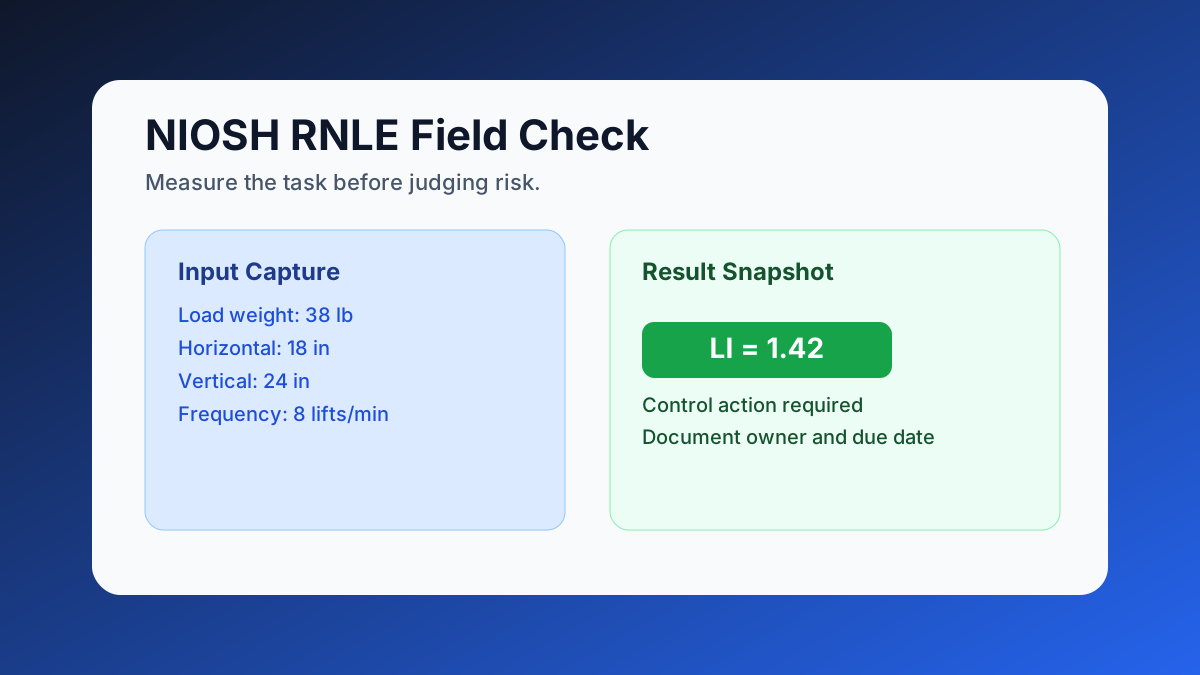
Why Teams Miss High-Risk Lifts
Most errors happen before any formula is entered. Teams estimate horizontal reach, forget peak load, or use average task frequency. The math looks official, but the input quality is weak.
Personal Experience #1: Real Floor Data Beat Assumptions
In a Midwest distribution site, supervisors rated one pallet lift as low risk because workers had done it for years. We measured it and found a long horizontal reach plus high frequency. The LI crossed 1.7. We moved the pallet closer and reduced repeat bending in the same week.
Pro Tip: Always capture the worst realistic lift, not the average one. Injury exposure follows peak demand, not mean values.
8-Step RNLE Workflow That Holds Up in Audits
- Pick one representative task with highest observed strain.
- Measure horizontal distance from ankles to hands at lift start.
- Measure vertical height and travel distance at origin and destination.
- Record asymmetry angle and coupling quality honestly.
- Use peak lifts per minute for frequency, not shift average.
- Run the calculation with the NIOSH Lifting Calculator.
- Log each decision and source note in your daily safety record workflow.
- Prioritize controls on lifts with LI above 1.0.
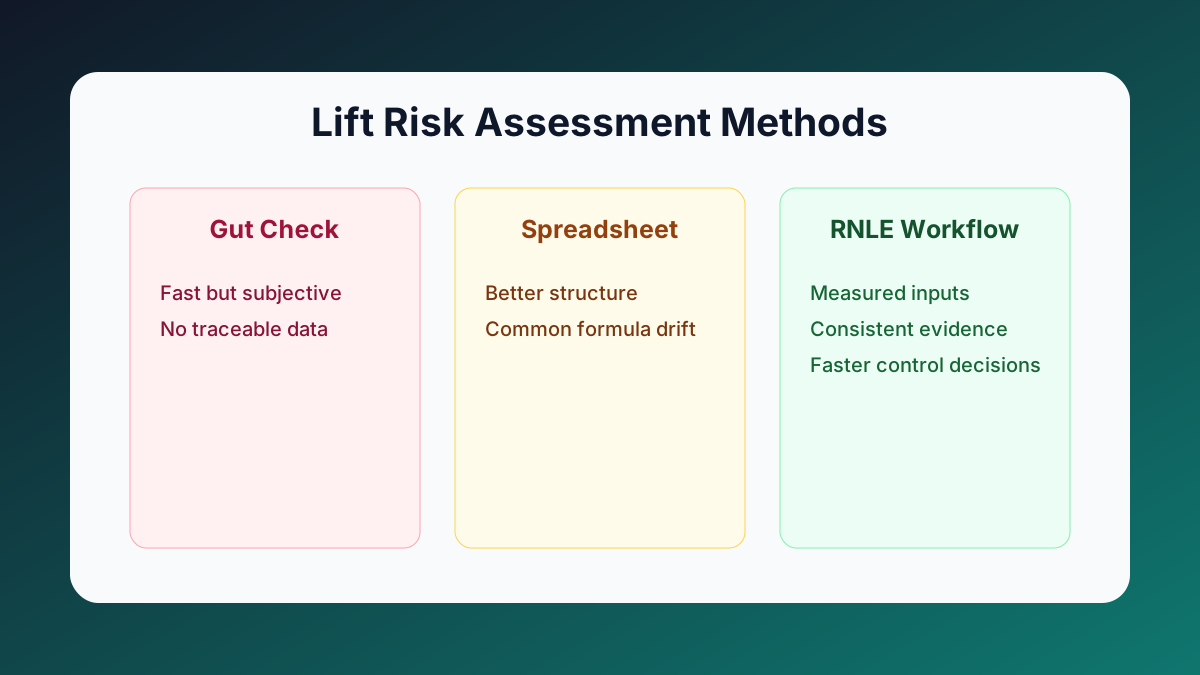
| Assessment Method | Time per task | Typical error source | Risk confidence |
|---|---|---|---|
| Gut Check Only | Under 1 min | No geometry data | Low |
| Spreadsheet Template | 6-10 min | Wrong multipliers | Medium |
| Web Ocean RNLE Workflow | 2-3 min | Low when measurements are verified | High |
Personal Experience #2: One Unit Error Changed the Decision
A team sent me an LI below 1.0 and expected signoff. Their vertical distance was entered in inches in a metric sheet. Correcting that unit mismatch raised the LI and triggered an engineering fix they had missed.
Pro Tip: Lock one unit system per site and train every assessor on that standard. Mixed units create false safety confidence.
Personal Experience #3: Fast Briefings Improved Adoption
The most effective rollout I used was a two-minute huddle: show one risky lift photo, one LI score, and one control action. Teams accepted process changes faster because they could see the logic.
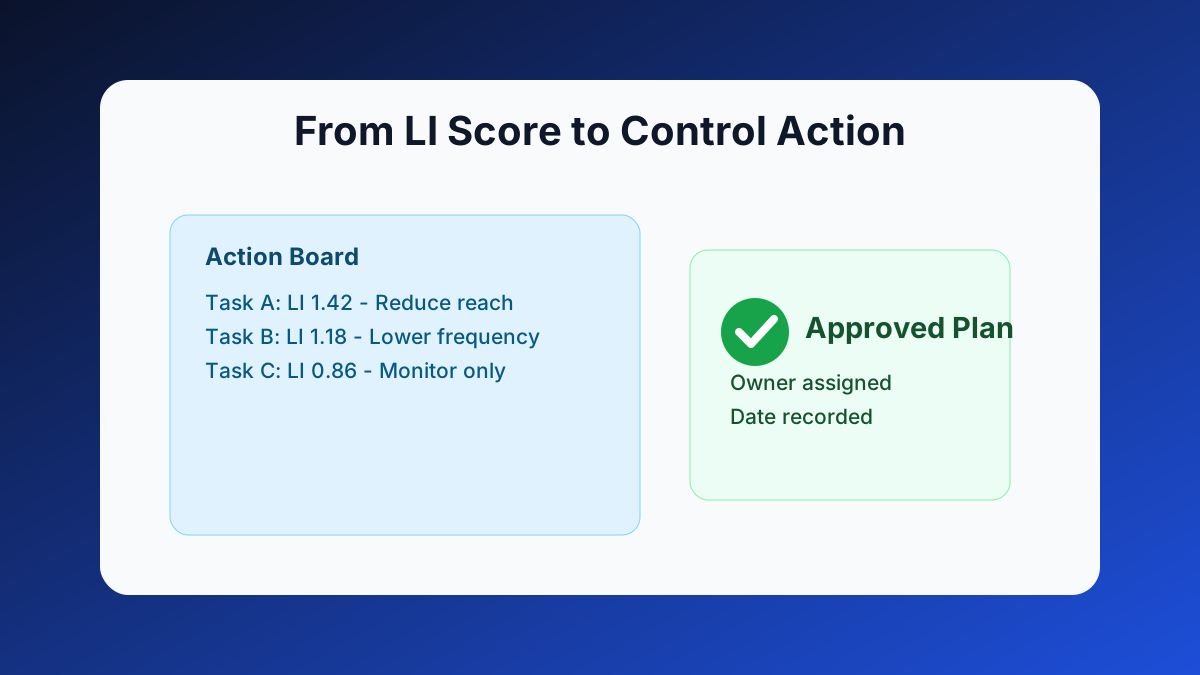
Turn RNLE Into Daily Execution
Use RNLE as an operating habit, not a once-a-year form. Cleaner data means faster controls, fewer strains, and stronger audit conversations.
Ready to score your highest-risk lift?
Run one task today, then share your toughest case in the comments for a practical control sequence.
Start NIOSH AssessmentMeta Description (140 chars): Use NIOSH lifting guide to calculate RWL and LI quickly, reduce back-injury risk, and document safer tasks with audit-ready data in 2026 Q2.