Web Ocean Security
HomeToolsBlog

Built by

Built by Web Ocean Security.

PrivacyTermsAboutContact

Disclaimer: The calculators and tools provided on this website are for informational and educational purposes only. They are not intended to be a substitute for professional advice, diagnosis, or treatment. Web Ocean Security assumes no liability for any errors or omissions in the content or for any damages resulting from the use of these tools. Always consult with a qualified professional for specific safety and health concerns.

3 SEO Title Options

  1. 7 ACH Mistakes That Trigger Ventilation Audit Trouble in 2026
  2. 3-Step ACH Method: Measure Airflow Correctly in Under 10 Minutes
  3. 9 Ventilation Wins: How Safety Teams Prove Air Quality Fast
Industrial Hygiene
Ventilation
March 5, 2026

Air Changes Per Hour (ACH): The Simple Guide for Safety Pros

Stale air slows concentration, increases complaints, and weakens audit confidence. Most teams still guess ACH from fan noise. If you cannot prove airflow with numbers, your ventilation program is exposed.

Safety manager reviewing ventilation readings and room volume data for ACH calculation

Here is the practical question: how many times does room air get replaced each hour? That number is your ACH, and it should be documented.

The process is simple when your units are clean. Most mistakes come from mixed CFM and cubic meter values, not from hard math.

Personal Experience #1
In June 2025, I reviewed a CNC shop with repeated worker complaints about headaches in the afternoon. The team believed ventilation was strong, but measured ACH was only 2.4. After balancing dampers and cleaning blocked filters, ACH moved to 6.1 and complaints dropped within one week.
Pro Tip: Use measured supply airflow, not equipment nameplate values. Real flow can be far lower after duct losses and filter loading.

The Formula That Trips Most Teams

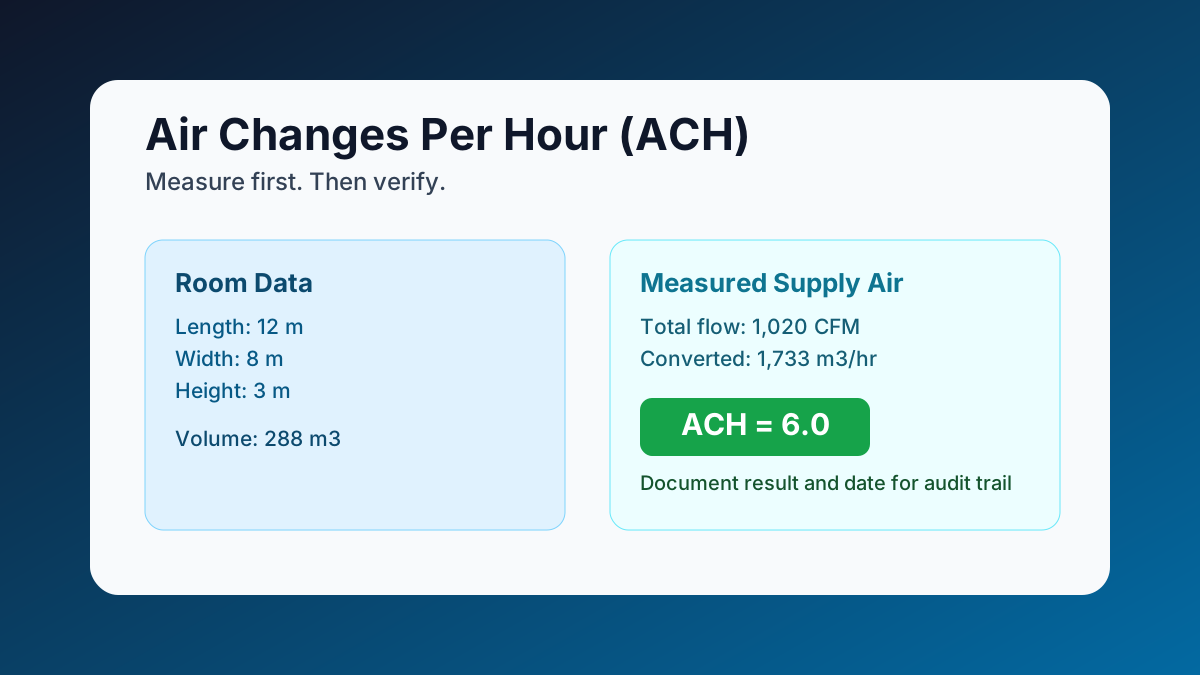
ACH = total airflow per hour divided by room volume.

Convert units once, then keep one consistent format for all rooms. That one habit prevents most documentation errors.

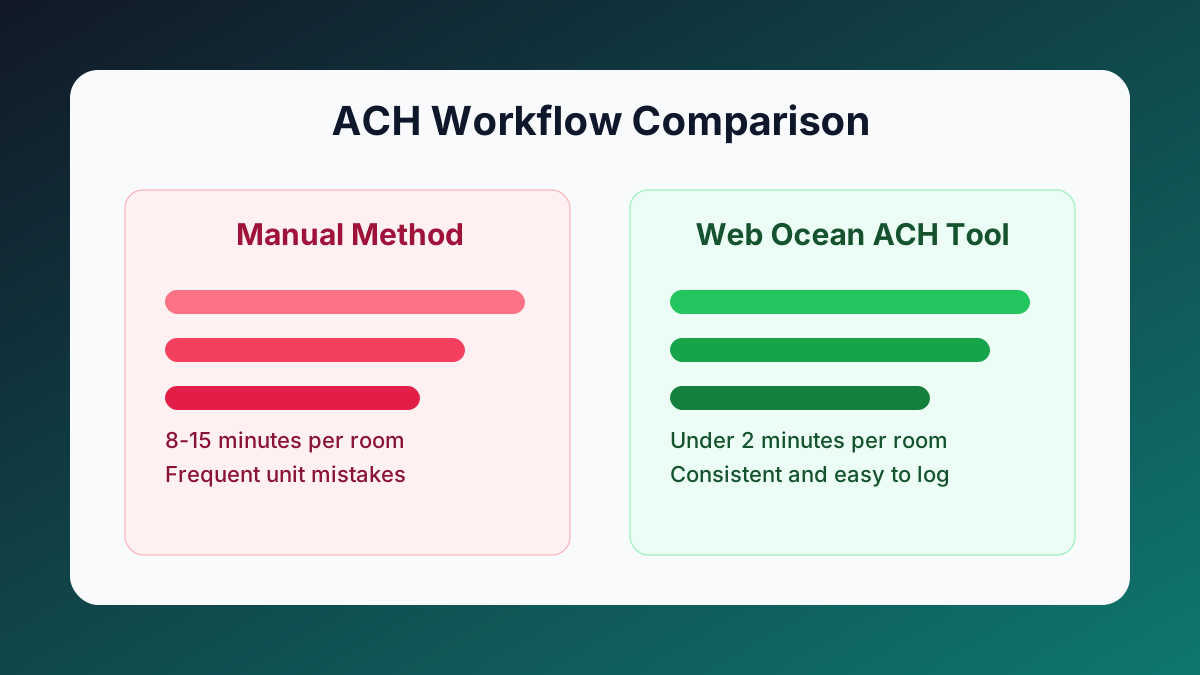
MethodSpeedError RateAudit Readiness
Paper and PencilSlowHigh (unit mix-ups)Low
Spreadsheet TemplateMediumMedium (formula errors)Medium
Web Ocean ACH ToolInstantLowHigh
Comparison of manual ACH calculations and digital ACH workflow
Personal Experience #2
During a school renovation audit, one classroom showed good total flow but poor diffuser direction. Fresh air short-circuited to the return grille. We adjusted throw pattern, repeated smoke checks, and fixed the dead zone in two days.

How to Calculate ACH in 3 Steps

Use this short workflow on every room:

  1. Measure room volume: length x width x height.
  2. Measure total supply airflow: sum CFM from all supply points.
  3. Run the calculation: use the ACH calculator.

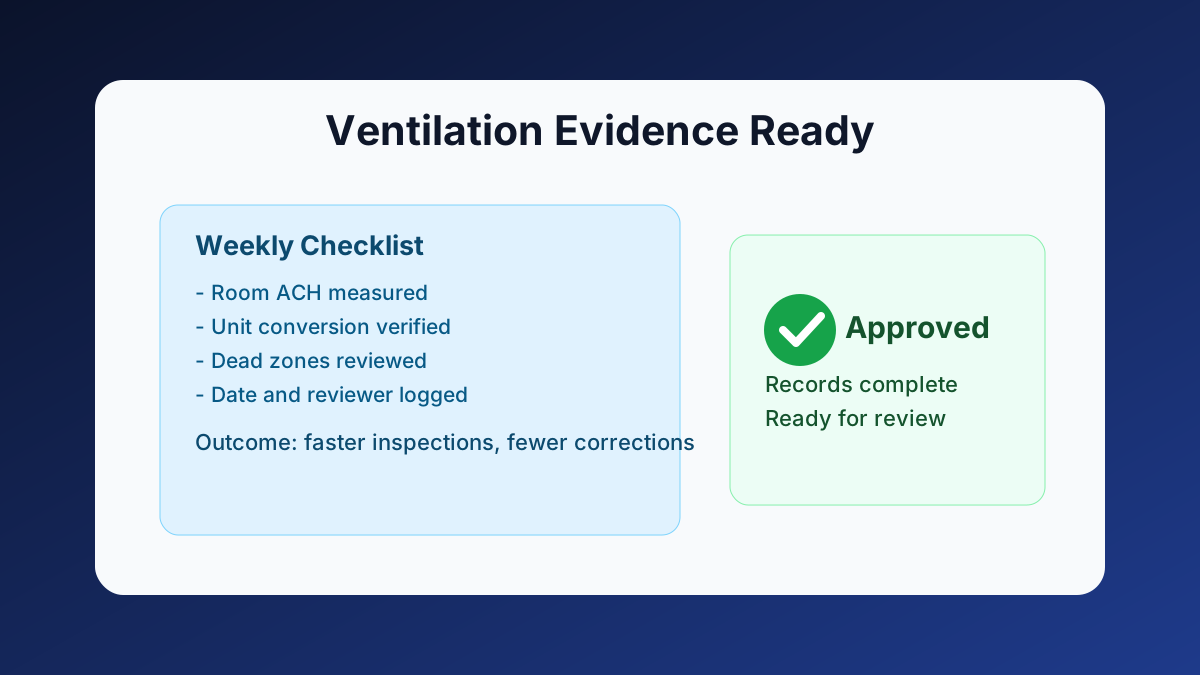
Record date, room ID, and measured values for your audit trail.

Pro Tip: High ACH does not guarantee clean breathing zones. Always verify air distribution to avoid dead spots near workstations.
Personal Experience #3
I tested my own office after long writing sessions felt heavy despite active cooling. ACH was acceptable, but one corner remained stale. A small fan reorientation solved the comfort issue immediately without equipment replacement.
Facility team validating ventilation checklist and documenting ACH evidence

Build a Repeatable Ventilation Workflow

Ventilation is not guesswork. It is measured airflow plus consistent records.

Run ACH checks on schedule, then connect findings to related controls in your log system.

Related Tool

Improve gas monitor documentation →

Related Guide

Pair ACH checks with a clear heat-stress field playbook.

Check Your Air Quality Now

Calculate ACH in seconds and document each reading with confidence.

Launch ACH Calculator

Meta Description (140 chars): Use this ACH guide to verify airflow, avoid unit errors, and document ventilation checks, with audit-ready clarity in minutes on each shift.